Regensburg: Roman, Medieval and Jewish Heritage
Three chapters of the city's history in one walk
 TopicRegensburg
- Duration
- about 2.5 hours, extendable on request
- Group
- up to 25 people
- Languages
- German, English, French, Italian, Spanish
- Meeting point
- Cathedral Square, Stone Bridge or cruise berth
From the Porta Praetoria of the Roman legionary fortress Castra Regina to the medieval merchant city and the Jewish quarter at Neupfarrplatz, this tour traces the layers of Regensburg's history in one walk.
Highlights
- Roman traces at the Porta Praetoria
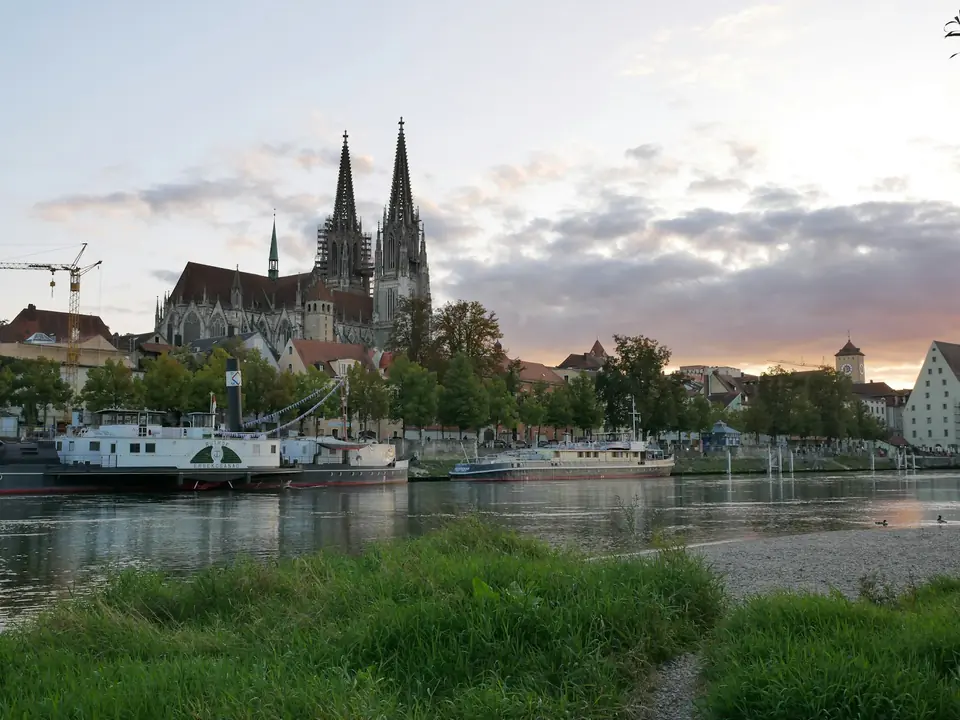
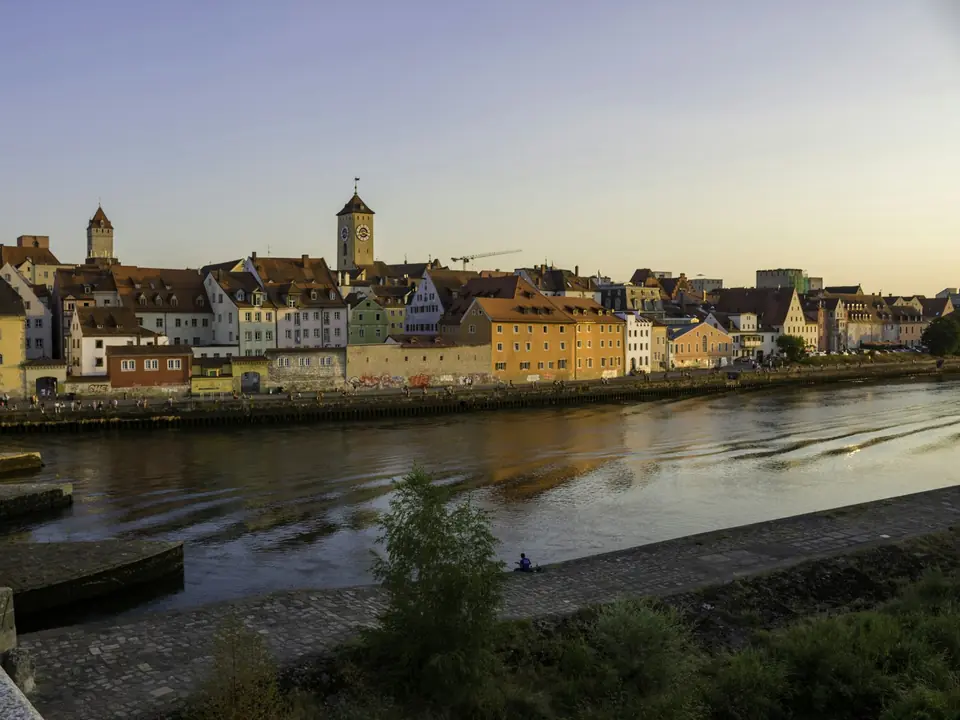
- A medieval merchant city of towers
- Jewish heritage at Neupfarrplatz
- Three eras linked in a single walk
The route
-
1Porta Praetoria
surviving traces of the Roman legionary fortress Castra Regina.
-
2Cathedral Square and surroundings
the shift from Roman outpost to medieval bishop's city.
-
3Merchant houses and towers
the wealthy trading city of the Middle Ages.
-
4Old Town Hall
exterior view and context on the seat of the Perpetual Diet.
-
5Neupfarrplatz
centre of the medieval Jewish quarter before 1519.
-
6Stone Bridge
a link between the eras, with views out over the Danube.
Included
- Certified local guide
- Tour in the language of your choice
- Individual route and timing
- Contact person around the clock
Not included
- Entrance fees and tickets
- Food, drinks and tastings
- Travel allowance outside the guide's home town (min. €30)
- Tour guide system (€3.75 per person)
Who this tour is for
For history-minded guests who want more than a surface look at the old town, and well suited to study trips.
Frequently asked questions
Do we need prior knowledge for this tour?
No, the tour works well without any prior knowledge, your guide moves chronologically and puts each era into context.
Is the history of Jewish Regensburg covered in depth?
Yes, the medieval Jewish quarter around Neupfarrplatz is a fixed part of the tour, and this section can be expanded on request for interested groups.
Does the tour suit school or study groups?
Yes, the thematic structure works well for groups with a historical focus, and content and language can be adjusted to the group's level.